
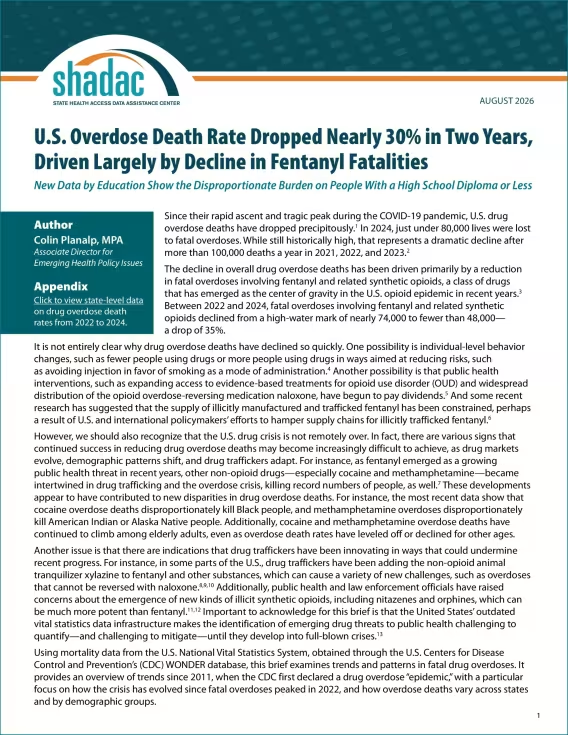
SHADAC has been monitoring trends in the drug overdose and opioid crisis for 10 years; in this new brief, our experts analyze 2024 overdose deaths data, obtained through the U.S. Centers for Disease Control and Prevention's (CDC) WONDER database, calculating drug overdose death rates by state and nationally, paying particular attention to changes since overdose deaths peaked in 2022.
We also break these data down by drug type and by demographic groups, including by race/ethnicity, by age, and, as a new analysis this year, by education level, in order to better understand how the ever-evolving overdose and opioid epidemic is impacting different states, populations, and communities.
2024 Overdose Deaths Issue Brief: Key Findings
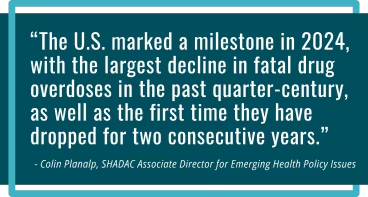
After overdose death rates spiked during the pandemic and continued to climb into the post-pandemic period, our latest analysis found that, in 2024, fatal drug overdoses in the U.S. saw the largest decline in the past quarter-century, also marking the first time overdose death rates have dropped for two consecutive years.
Some other findings from SHADAC’s recent issue brief include:
- Falling Fentanyl Deaths: Fatal overdoses involving fentanyl and related synthetic opioids declined from nearly 74,000 in 2022 to fewer than 48,000 in 2024—a drop of 35% in just two years.
- Overdose Deaths by State: More than 40 states saw declines in drug overdose deaths in 2024.
“These developments should be encouraging, as they demonstrate that progress is possible in the effort to turn the tide and save lives,” lead author and SHADAC Associate Director for Emerging Health Policy Issues Colin Planalp says.
“However, we should be cautious not to declare victory just yet, as the 2024 drug overdose death toll of more than 79,000 lost lives remains historically high, higher, in fact, than any time before their spike during the COVID-19 pandemic. We still have far to go before the U.S. drives overdose deaths down to the levels seen before the opioid epidemic began in the late 1990s and early 2000s.”
Additionally, not all groups saw the declines in overdose deaths seen nationally and in many states, and disparities persisted: Certain groups continue to be disproportionately burdened by drug overdose deaths, including people with less than a high school diploma and American Indian or Alaska Native people, amongst others. Continued vigilance and monitoring of trends in overdose deaths will be crucial to continue to make strides towards reducing deaths and harms caused by the opioid epidemic.
Click here to read the brief in full for all of our detailed findings.
The appendix for this piece is available here.
See more of SHADAC’s work covering the opioid crisis, including an archive of past years’ issue briefs, resources, and related blogs, on our opioid epidemic resource page.